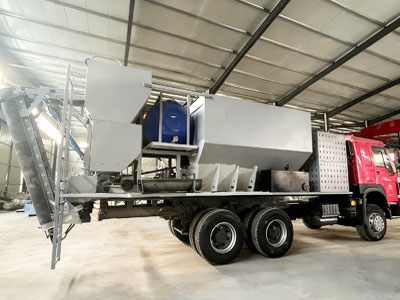
Volumetric Concrete Truck for On-Demand Mixing
Carry ingredients separately, adjust the recipe at the jobsite and produce only the concrete required for each placement.
On-Demand Production
Protect Flexibility Where Order Size and Grade Change
The commercial value comes from separate material storage and jobsite mixing. Buyers should evaluate calibration, recipe changeover, operator control, material yield, cleanout and the service route—not compare the truck only by nominal volume.
Model Selector
Choose Storage and Output for the Service Route
Each model supports a different balance of payload, service radius and job size.
AG-1 Compact Service Unit
3 m³ maximum capacity and 15 m³/h published output for repair, utility and smaller scattered jobs.
AG-2 Balanced Route Unit
8 m³ maximum capacity and 22 m³/h published output for mixed order sizes and multi-stop service routes.
AG-3 High-Capacity Route Unit
12 m³ maximum capacity and 22 m³/h published output for longer routes or larger jobsite demand.
Product Engineering
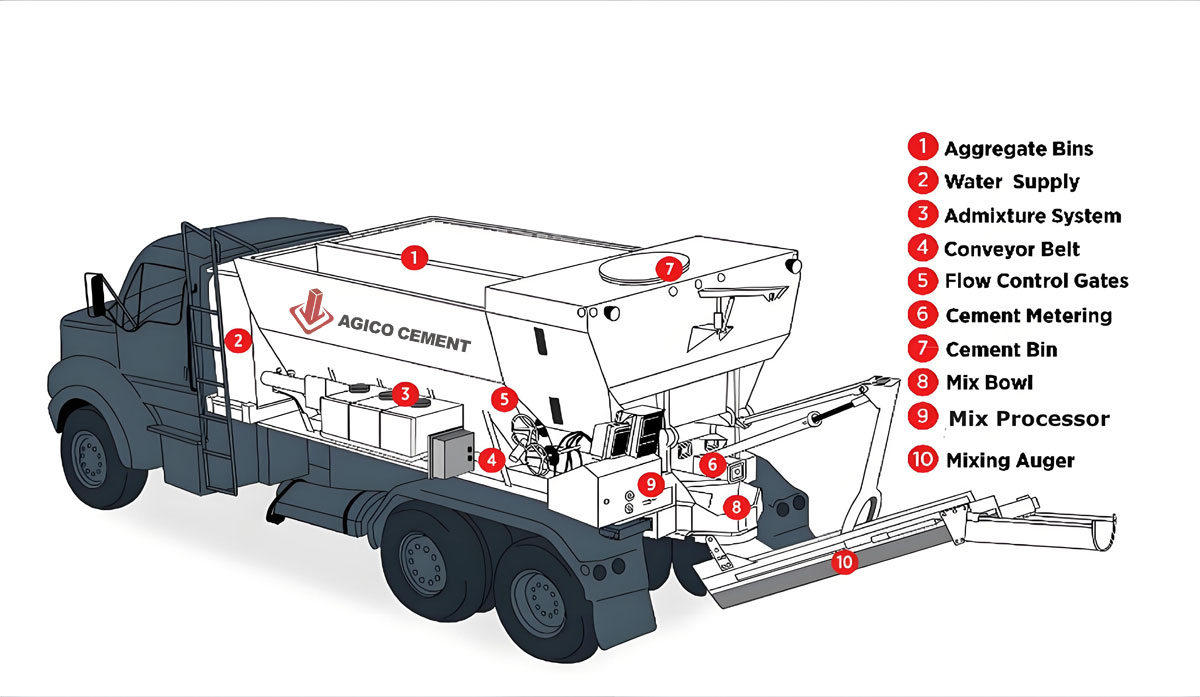
Volumetric Truck Components and Their Production Advantages
The product is a calibrated material-delivery and mixing system, not simply a truck body.
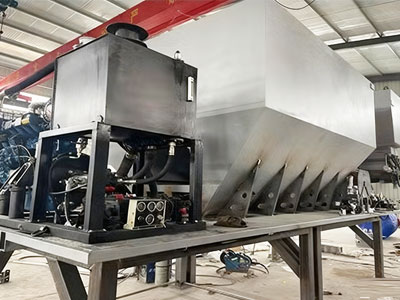
Split Aggregate Bins
Sand and stone remain separated until the selected recipe is produced.
Cement Compartment
Dry powder storage protects on-route material availability.
Water and Admixture Tanks
Liquid dosing supports recipe adjustment at the point of use.
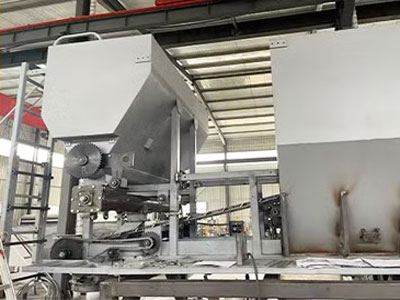
Metering Controls
Calibrated feed settings determine material proportion and yield.
Continuous Mixer
Ingredients combine only when production is requested at the jobsite.
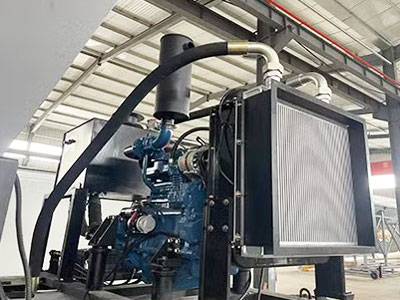
Carrier Integration
Payload, weight distribution and service access are coordinated with the chassis.
Verified Model Data
Volumetric Concrete Mixer Truck Specifications
Use these published parameters for initial comparison. Final sizing and supply scope are confirmed against materials, recipes, site conditions, utilities and operating schedule.
Application Fit
Markets That Benefit From On-Demand Mixing
Utility and Municipal Repair
Produce smaller quantities across multiple daily locations.
Remote and Rural Supply
Carry dry ingredients without the same premixed setting-time pressure.
Multi-Grade Specialist Work
Adjust approved recipes where consecutive jobs require different concrete.
Metering Process
How On-Demand Concrete Is Produced
Separate Storage
Aggregate, cement, water and admixture remain in dedicated compartments.
Recipe Setting
The operator selects the required proportions for the job.
Continuous Metering
Materials are metered into the mixing conveyor or auger.
Jobsite Discharge
Fresh concrete is produced in the required quantity at placement.
Proposal Scope
Volumetric Truck Investment Drivers
A useful quotation separates the standard machine, project-specific engineering, site responsibilities and optional lifecycle services. These inputs affect scope and schedule; no generic price can represent every project.
Daily Route Mix
Stop count and job size guide model choice.
Material Density
Real payload must be checked against carrier limits.
Calibration Scope
Controls and verification affect commissioning.
Cleaning and Service
Access and operating routine influence lifecycle cost.
AGICO Supply Capability
Volumetric System Integration and Calibration Support
Engineering, Manufacturing and Lifecycle Support
AGICO coordinates bins, metering, water and admixture systems, mixer, controls and carrier interfaces. Proposal review focuses on calibration and route economics as well as equipment supply.
Metering Architecture
Material paths and adjustment points are defined.
Calibration Plan
Verification needs are included in commissioning discussions.
Carrier Integration
Payload and installation interfaces are reviewed.
Operator Workflow
Controls, cleanout and routine checks are considered.
Buyer FAQ
Volumetric Truck Procurement Questions
A volumetric truck stores materials separately and mixes at the jobsite; a drum truck carries concrete batched at a plant.
Recipe flexibility is a core advantage, but calibration and operating procedures must support each approved mix.
It can reduce excess concrete by producing the required quantity, but real waste depends on calibration, operation, cleaning and material management.
Provide job sizes, mix grades, route distance, carrier limits, material density and expected daily utilization.
Build a Volumetric Truck Around Your Service Route
Send job-size range, concrete grades, daily stops and chassis requirements for model and configuration review.