Complete concrete production solutions
Concrete Batching Plants Engineered Around Your Production Plan
Compare plant families, theoretical output and complete-line scope before you request a proposal. AGICO coordinates the mixer, material storage, transfer, controls and delivery interfaces around your project inputs.
- Plant families for commercial, project and precast production
- Published theoretical output references from 25–300 m³/h
- Configuration and layout reviewed as one production line
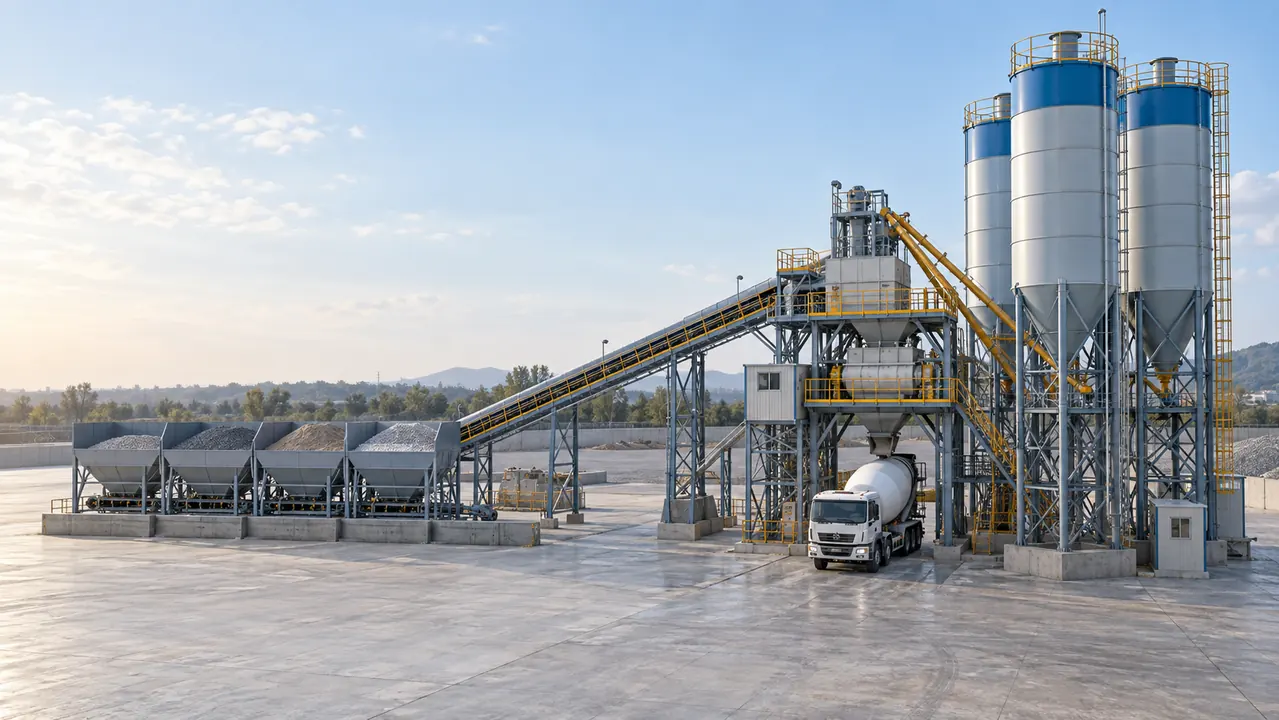
Start with the operating decision
Choose the Route That Matches How You Will Produce
Use four buyer-led axes to open a practical starting point. Final equipment selection still depends on recipes, material properties, working hours and site conditions.
Commercial concrete supply
Ready Mix Production Route
Coordinate capacity with mix variety, peak truck dispatch and delivery windows.
- Forecast the busiest dispatch window
- Define grades and raw-material autonomy
- Plan truck circulation before fixing layout
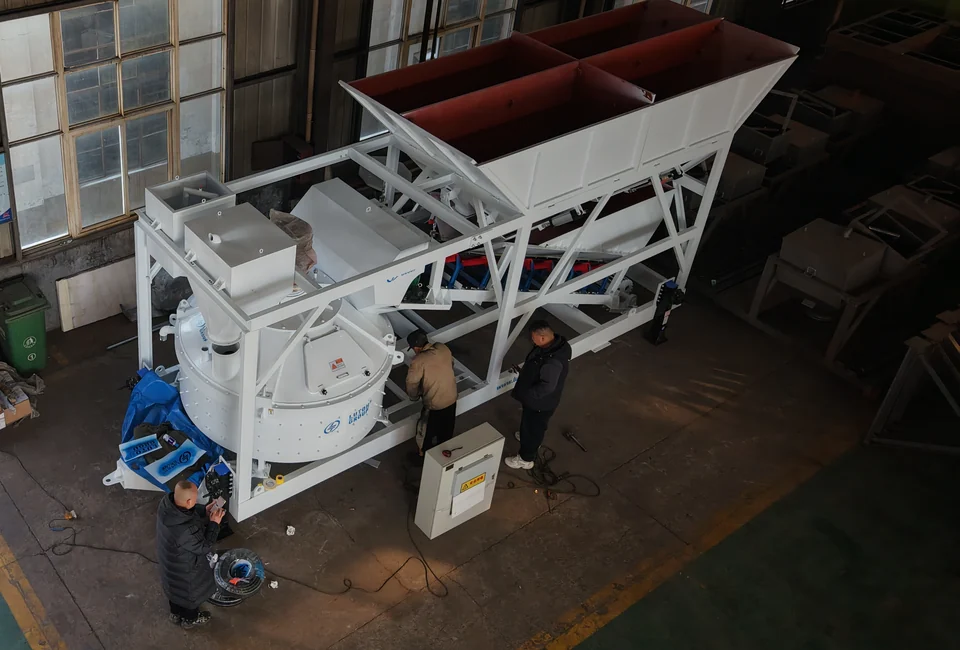
Factory production cells
Precast Manufacturing Route
Match mixing action, dosing sequence and transfer to products and mould cycles.
- List products and recipe families
- Map concurrent production cells
- Confirm discharge and transfer interfaces
Concrete near placement
Project-Site Supply Route
Coordinate temporary production with pour demand, material logistics and construction access.
- Map the pour sequence
- Confirm material and utility access
- Define relocation expectations
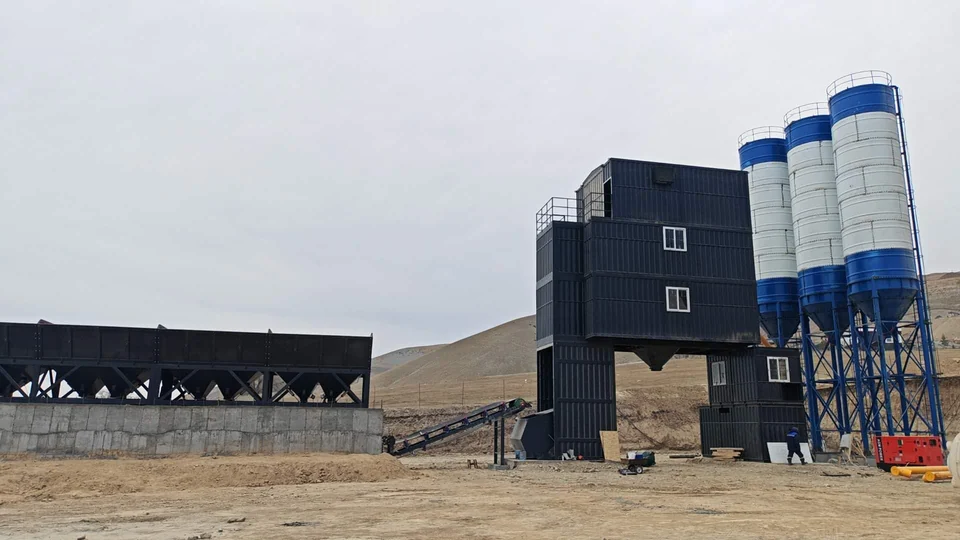
Long-term production base
Permanent Stationary Plant Route
Engineer storage, traffic, maintenance access and expansion around a stable site.
- Confirm long-term demand
- Map inbound and outbound traffic
- Coordinate utilities and civil interfaces
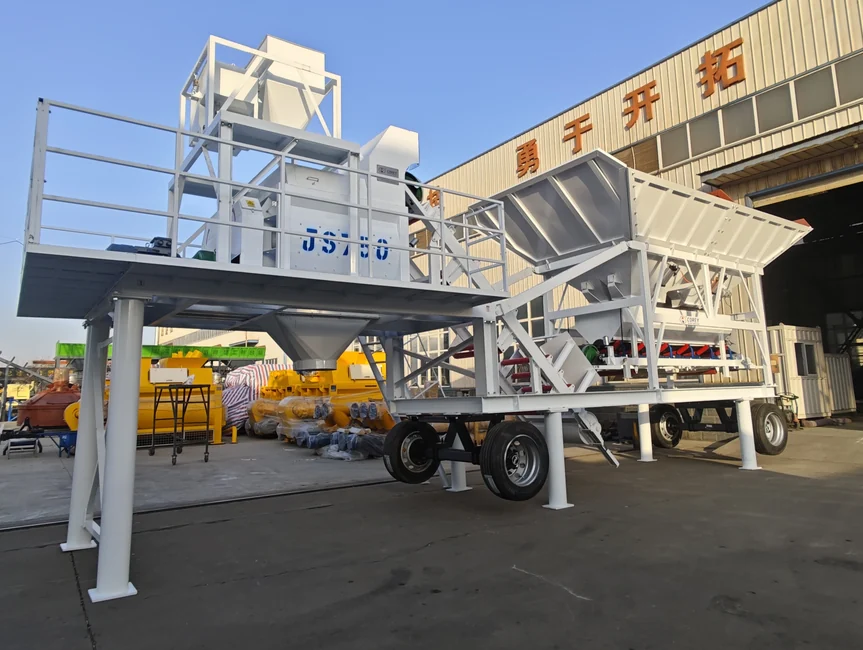
Repeated relocation
Mobile Batching Plant Route
Integrate the production modules around transport, lifting, setup and recommissioning.
- Set relocation frequency
- Confirm lifting and support interfaces
- Plan temporary utilities
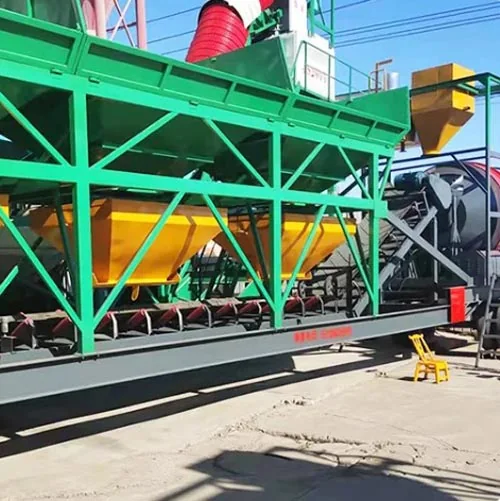
Temporary reusable base
Portable Plant Route
Plan a temporary production base that can be dismantled and reused after the contract.
- Define deployment duration
- Plan module split and lifting access
- Separate equipment from local works
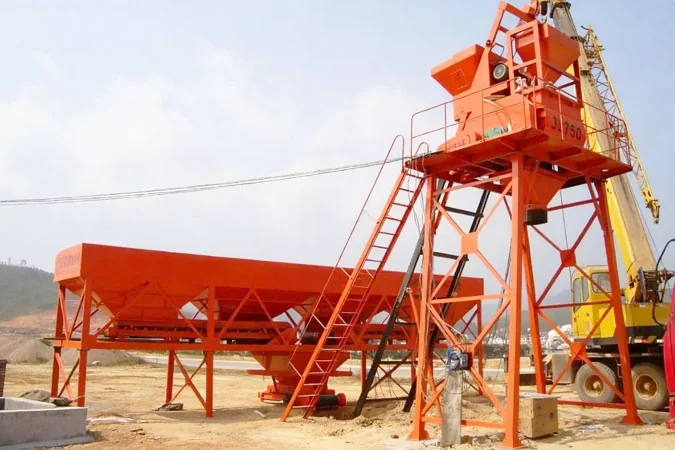
Restricted production yard
Compact Layout Route
Concentrate material lifting while protecting truck movement and maintenance access.
- Confirm the usable envelope
- Preserve service clearances
- Test charging and discharge paths
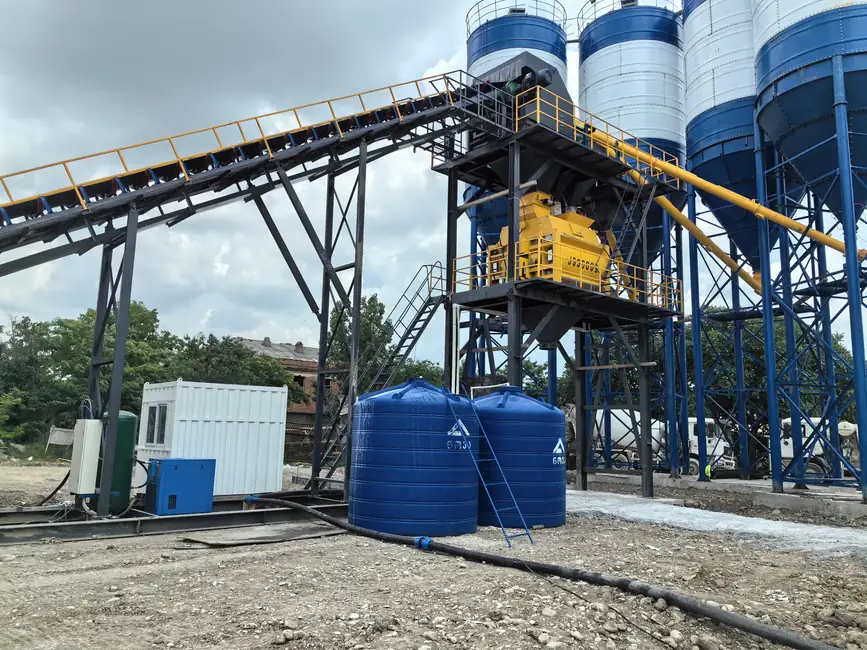
Plant-side batch completion
Central / Wet Mixing Route
Complete recipe execution and mixing release at the plant before truck loading.
- Match mixer action to recipes
- Define release checkpoints
- Coordinate cycle and truck exchange
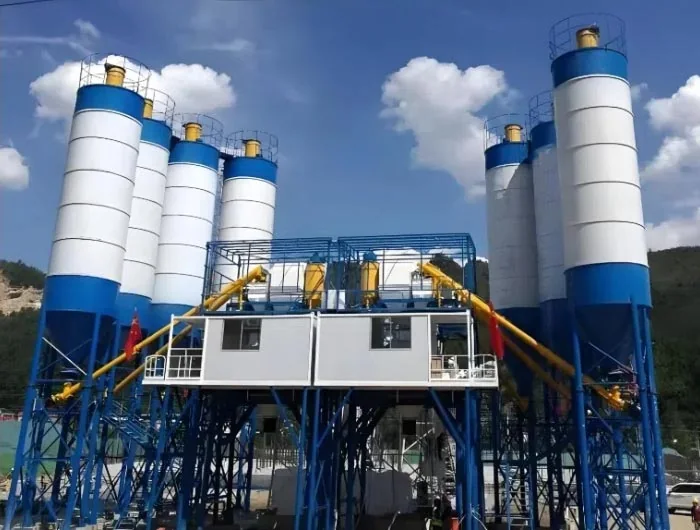
Batching before final mixing
Dry Batch Responsibility Route
Clarify where water addition and final mixing occur and which system owns each control point.
- Define downstream mixing
- Assign water and recipe responsibility
- Check transport sequence
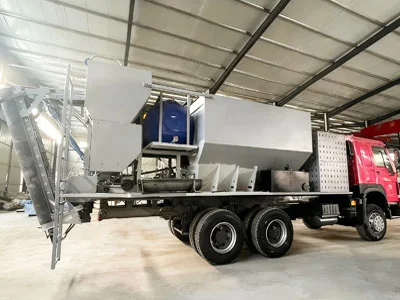
Point-of-use production
Volumetric Concrete Route
Keep ingredients separated and proportion them near placement for variable order sizes.
- Define compartments and recipes
- Plan calibration and controls
- Confirm carrier access
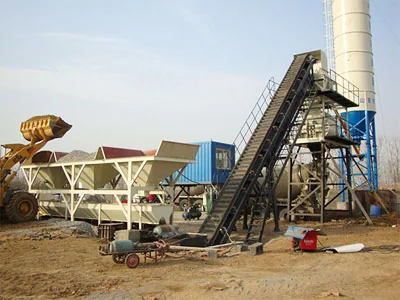
Theoretical 25–75 m³/h
Focused and Intermediate Output Route
Screen smaller plant families against batch demand, storage and transfer requirements.
- Start from the busiest pour window
- Compare cycle references
- Do not infer mobility from output
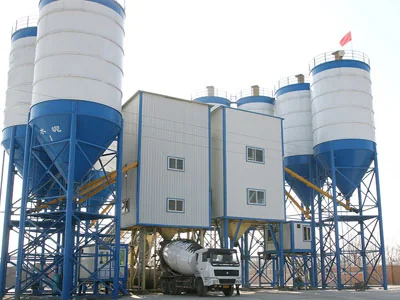
Theoretical 90–120 m³/h
Sustained Scheduled Production Route
Review mixer, transfer, storage autonomy and dispatch space as one system.
- Map sustained shift demand
- Check replenishment limits
- Protect vehicle rhythm
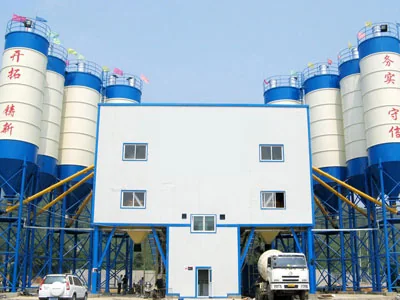
Theoretical 180–300 m³/h
Large Production Program Route
Treat upper-band capacity as a site-wide material, structural, logistics and resilience decision.
- Validate peak demand
- Plan multiple storage streams
- Coordinate utilities and dispatch lanes
Combine attributes, not labels
Build One Compatible Shortlist Across the Four Axes
- 01Choose the concrete destination Commercial orders, project pours or factory cells.
- 02Add the site horizon Permanent, relocatable, temporary or space-constrained.
- 03Assign mixing responsibility Plant-side, downstream or point-of-use completion.
- 04Test the output assumption Validate the theoretical band against the whole flow.
Five primary procurement paths
Shortlist a Plant Family Before Comparing Components
Each route answers a different operating question. Choose the production model first; then qualify output, site and equipment scope.
01 / Commercial supply
Ready Mix Concrete Plant
For producers selling multiple concrete grades through a delivery fleet. Its advantage is coordinating recipe demand, peak dispatch and storage as one commercial operation.
Next decision: which grades and dispatch peaks must the business serve?
Plan a ready mix operation →02 / Permanent base
Stationary Concrete Batching Plant
Engineer storage, traffic flow and expansion around a long operating horizon.
Review permanent-base planning →03 / Relocatable output
Mobile Concrete Batching Plant
Integrate production modules around transport, setup and recommissioning.
Compare mobile configurations →04 / Plant-side mixing
Central Mix Concrete Plant
Complete recipe execution and mixing release before truck loading.
Examine central mixing →05 / Factory production
Precast Concrete Manufacturing Plant
Match mixer and transfer decisions to recipes, moulds and production cells.
Match a precast line →Complete verified directory
Browse Every Concrete Batching Plant Route
All 28 child pages are grouped by the buyer decision they help resolve—not as one flat catalogue.
Commercial & manufacturing model
Ready Mix Concrete Plant Precast Concrete Manufacturing Plant Mobile Ready Mix Concrete Plant Cement Mixing PlantSite & mobility
Stationary Concrete Batching Plant Mobile Concrete Batching Plant Portable Concrete Plant Modular Concrete Plant On-Site Batching Plant Truck-Mounted Concrete Batching PlantMixing process
Central Mix Concrete Plant Wet Mix Batching Plant Dry Batch Concrete Plant Volumetric Concrete Truck Pan Mixer Batching PlantCapacity & structure
Small Concrete Batch Plant Compact Concrete Batching Plant HZS Concrete Batching Plant CP Series Batching Plants CP30 Batching Plant Tower Batching Plant Hopper Batching Plant Conveyor Batching PlantSpecial production requirements
Eco-Friendly Batch Mixing Plant UHPC Batching and Mixing Plant RCC Concrete Plant Automatic Batching System New Concrete Batch PlantPlanning reference, not a site guarantee
Translate Pour Demand Into a Capacity Discussion
Published output is theoretical. Actual selection must account for recipes, feed rate, mixer cycle, truck exchange, planned downtime and the operating schedule.
Focused batch demand
Start with the Smallest Workable Batch and Storage Plan
This band suits a focused recipe portfolio and deliberate idle periods. Small nameplate output does not by itself make a plant mobile.
- Configuration implication
- Match batch size to minimum pour demand before adding storage.
- Buyer question
- What are the smallest order and busiest placement window?
Regular project demand
Coordinate Feed and Discharge Before Increasing Mixer Size
Material feeding and truck exchange must support the chosen reference cycle.
- Configuration implication
- Compare belt and hopper transfer with storage replenishment and discharge access.
- Buyer question
- Can material feeding and vehicle exchange sustain the proposed cycle?
Sustained scheduled production
Protect the Production Rhythm Across the Full Line
Mixer, transfer, storage autonomy and dispatch space must be reviewed as one system.
- Configuration implication
- Size storage and transfer for sustained scheduling.
- Buyer question
- Where could queues interrupt the shift plan?
High-output demand
Validate Peak Demand, Storage Autonomy and Line Architecture
Single- or twin-line architecture remains a project engineering choice.
- Configuration implication
- Review redundancy, dispatch lanes and material autonomy.
- Buyer question
- How will interruptions be managed?
Large production program
Treat Capacity as a Site-Wide Logistics and Resilience Decision
This band requires detailed material, structural, logistics and continuity review.
- Configuration implication
- Develop flow and civil interfaces before confirming line arrangement.
- Buyer question
- Can inbound and outbound logistics support the theoretical rate?
Do not force every process into HZS bands
Separate Ordinary Capacity Planning From Specialty Production
UHPC recipes, roller-compacted concrete and volumetric point-of-use production need their own process evidence. They do not inherit the ordinary 25–300 m³/h reference by association.
Mixing-location decision
Decide Where the Concrete Batch Is Completed
The process choice changes quality-control responsibility, transport planning and the equipment included in the plant scope.
Central / Wet Mixing
Ingredients are proportioned and the concrete is mixed at the plant before discharge. Review mixer architecture, release checkpoints and truck-loading rhythm.
Explore central mixing →Dry Batching
Batching is separated from final mixing. Clarify where water addition and final mixing occur—and which system owns that control.
Examine dry batching →Volumetric Production
Ingredients remain separated and are proportioned at the point of use. Calibration and variable order sizes become central operating questions.
Review volumetric supply →Complete-line dependencies
Seven Systems That Must Work as One Plant
A larger mixer cannot compensate for interrupted material flow, mismatched storage or an incomplete control boundary. Review each interface against the same production plan.
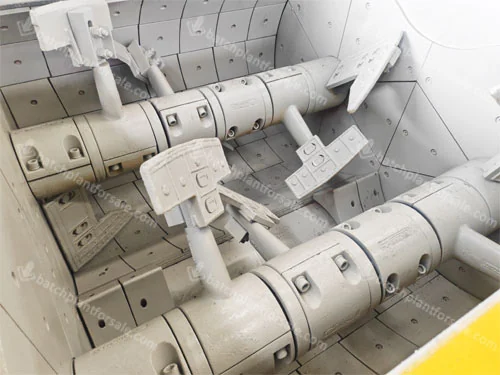
Mixing System
Select mixing action and batch size for the actual recipe, discharge method and maintenance plan.
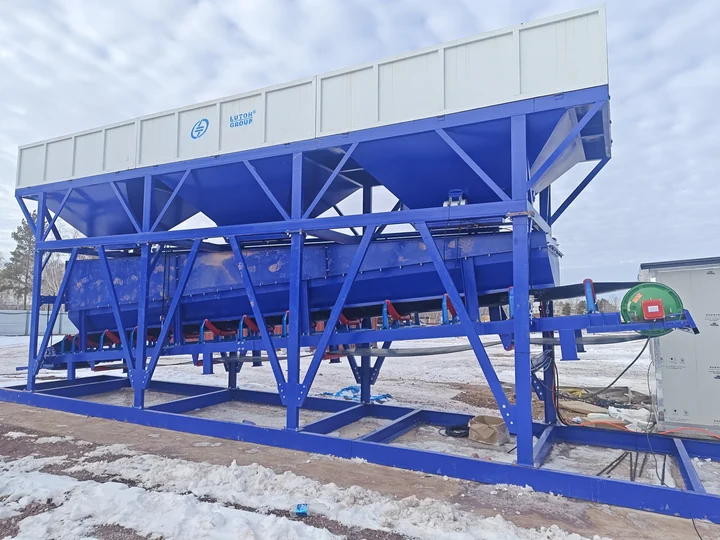
Aggregate Storage & Batching
Separate materials, maintain usable charging access and coordinate weighing with the required feed sequence.
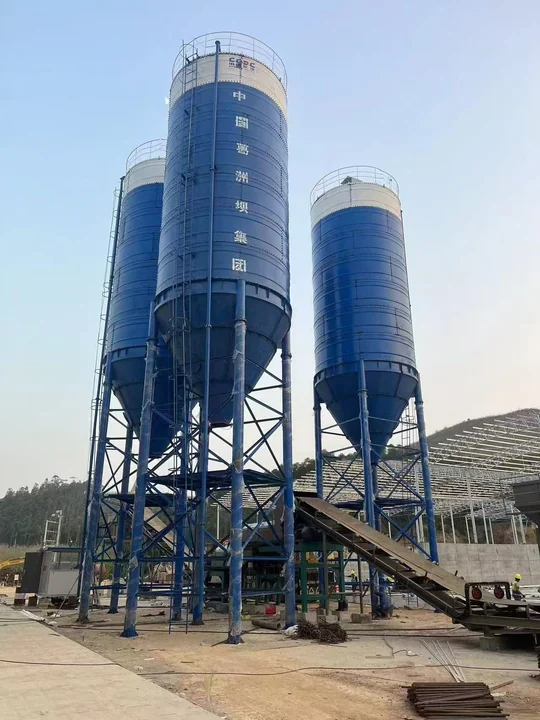
Powder Storage & Conveying
Match each powder stream to its silo, delivery frequency, screw route and scale interface.
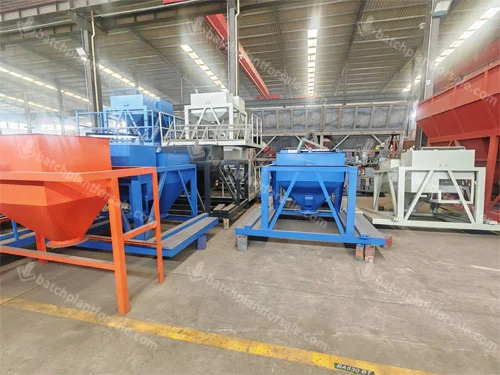
Water & Admixture Metering
Keep liquid dosing points accessible and coordinate them with recipe sequence and control logic.
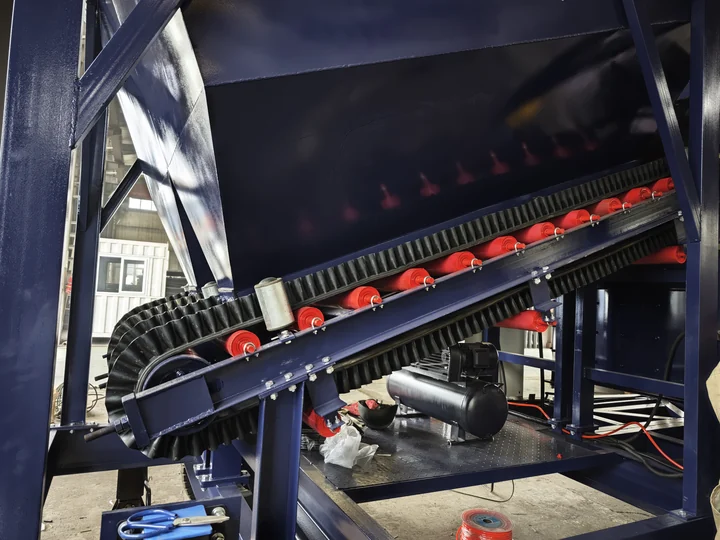
Material Transfer
Choose belt or hopper routes around feed rate, elevation, access and the site’s circulation envelope.
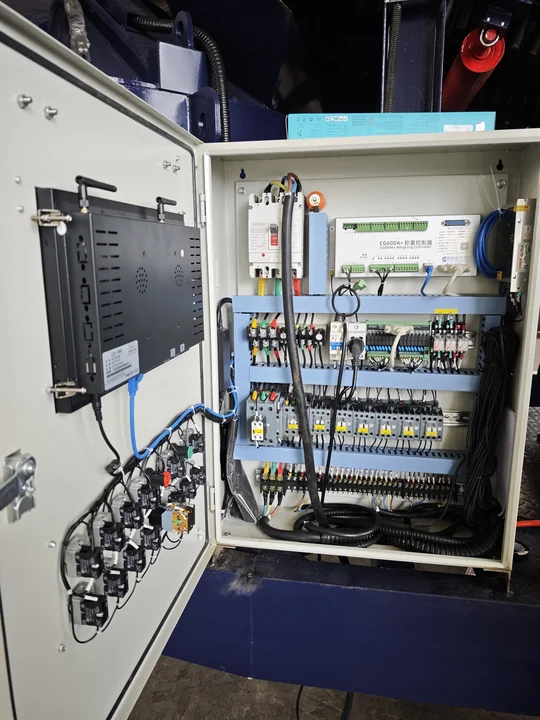
Automation & Control
Define recipes, permissions, alarms, production records and manual boundaries before controls are specified.
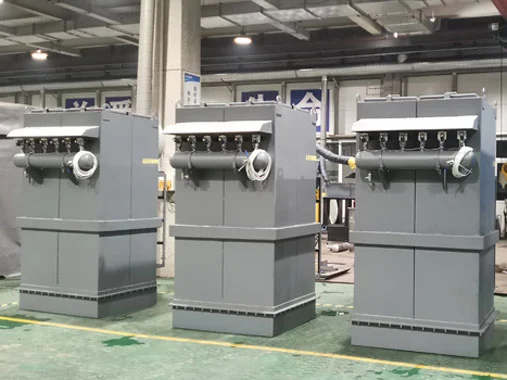
Environmental Controls
Map dust, noise and wash-water sources to practical capture, enclosure and handling options.
One connected procurement review
Turn Plant Scope, Evidence and Responsibility Into One Comparable Proposal
Move from what is supplied, through where it works and what evidence is visible, to who owns each delivery interface and which inputs shape the quotation.
Define the quotation boundary
Separate Standard Supply, Selectable Options and Engineered Scope
A useful quotation states what is included, what must be selected and which interfaces depend on project information.
Core production line
- Batching and weighing equipment
- Confirmed mixer route
- Primary transfer interfaces
- Control package boundary
Selectable equipment
- Aggregate bin arrangement
- Powder silos and screw routes
- Belt or hopper transfer
- Enclosure and dust-control options
Project-engineered scope
- Site layout and discharge height
- Utilities and civil interfaces
- Shipping split and access limits
- Expansion and installation support
Application branches
Route the Plant Around the Concrete Destination
The same nameplate output can serve very different operating models. Start with where the concrete goes and how demand arrives.
Ready Mix Sales & Dispatch
Plan recipe range, order peaks, raw-material autonomy and fleet movement together.
Civil & Infrastructure Works
Coordinate production with pour sequences, access constraints and the construction schedule.
Remote or Changing Work Fronts
Make transport, lifting, temporary utilities and recommissioning part of equipment selection.
Precast Production Cells
Match mixing, dosing and transfer to product recipes, mould timing and concurrent cells.
Procurement-risk evidence
What AGICO Coordinates Before Equipment Leaves the Factory
Factory work matters when it reduces mismatched interfaces, unplanned shipping splits and unclear installation responsibilities.
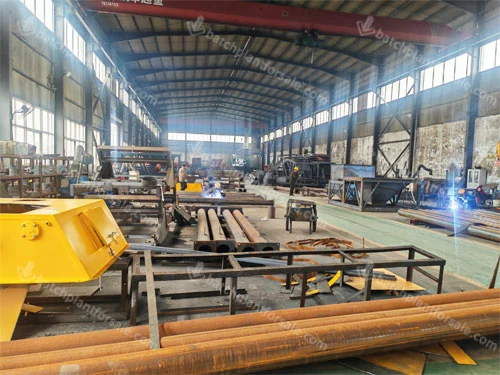
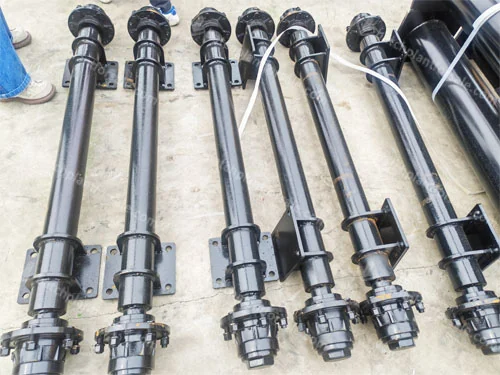
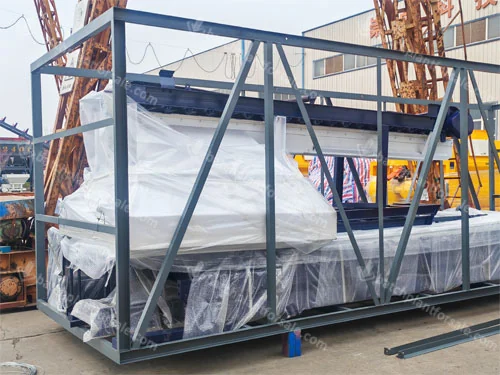
Visible project evidence
Different Site Conditions Require Different Supply Decisions
These photographs show real installation contexts. They are presented without unsupported output, location or performance claims.
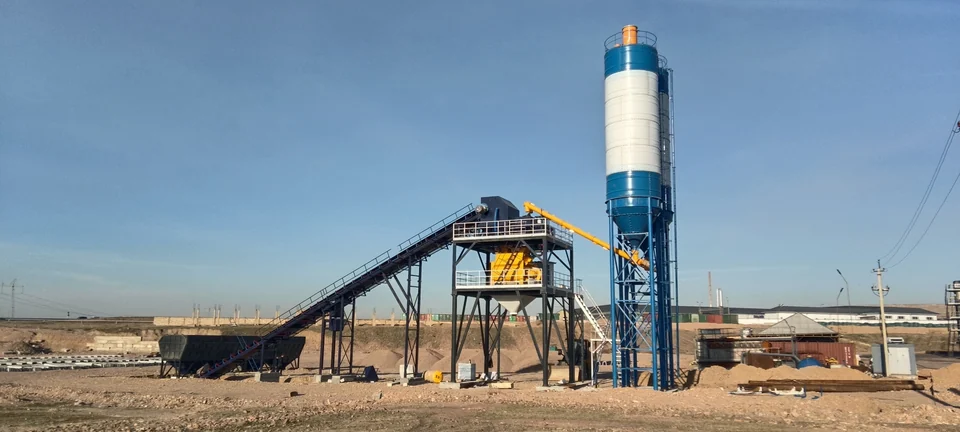
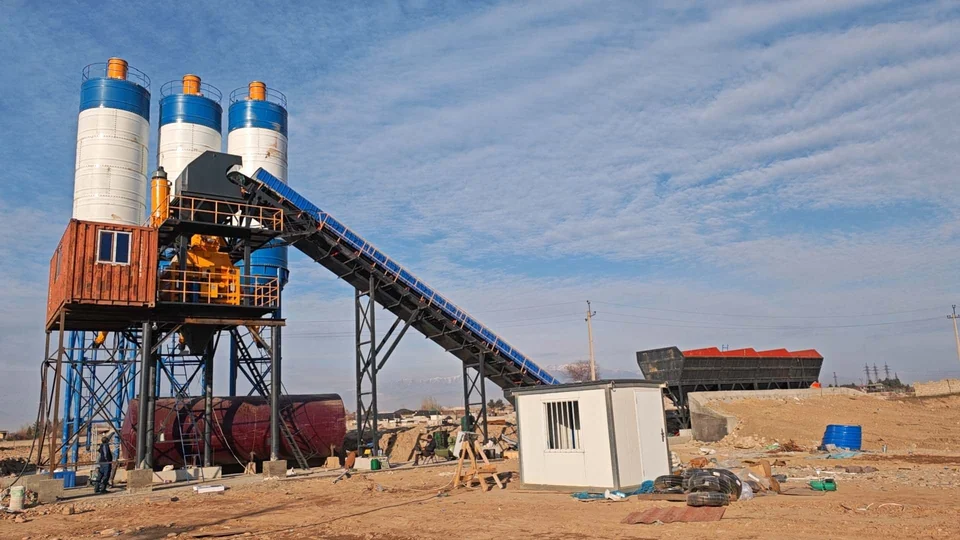
Belt-Fed Production Layout
Visible evidence: aggregate storage, inclined transfer and silo placement across a long material-flow axis.
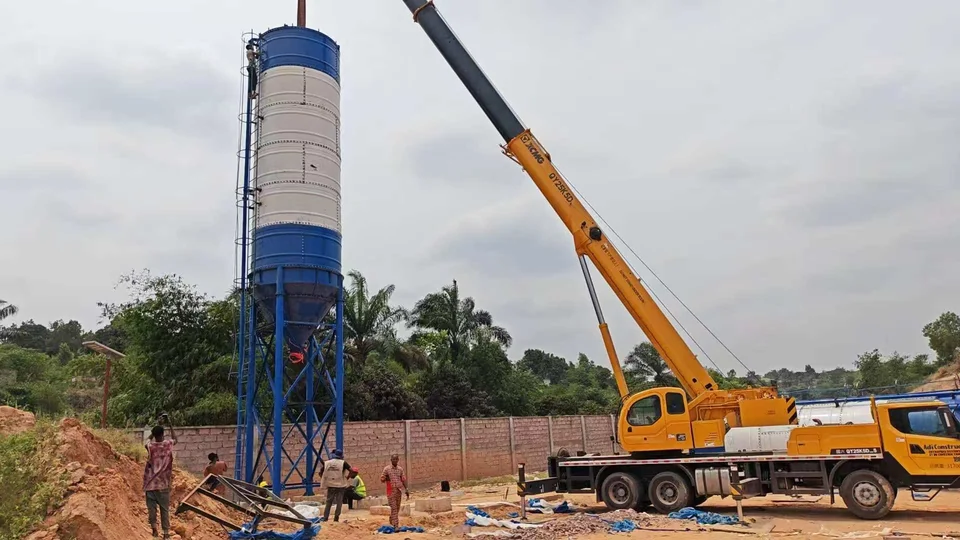
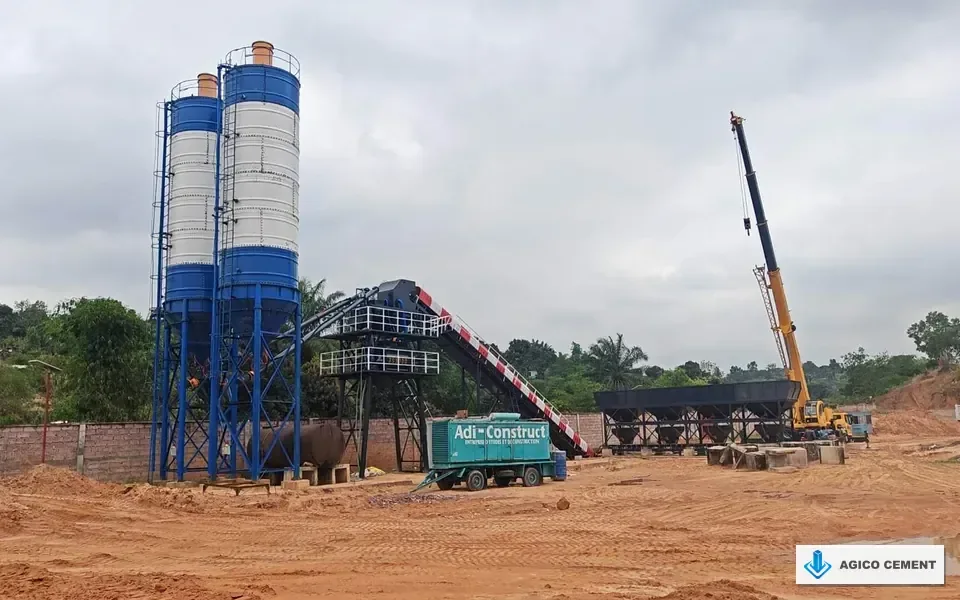
Installation-Stage Interface
Visible evidence: lifting access and silo erection must be considered before site work begins.
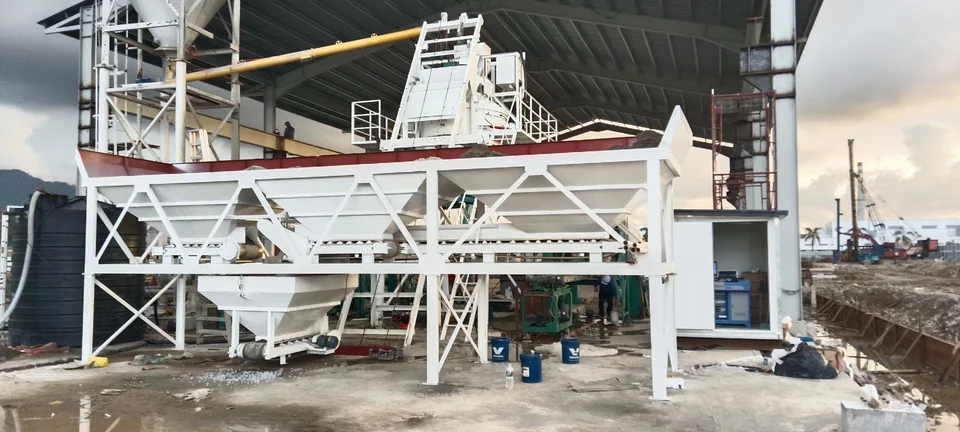
Covered Equipment Arrangement
Visible evidence: canopy clearance and adjacent storage influence the final layout.
From inquiry to lifecycle
Keep Responsibilities Visible Across the Delivery Process
Each stage should end with an agreed input, output or responsibility—not just a generic promise of support.
- 01
Project inputs
Demand, recipes, site, utilities and schedule.
- 02
Configuration
Plant family, capacity basis and system boundary.
- 03
Layout & proposal
Interfaces, options and quotation scope.
- 04
Manufacturing
Fabrication, assembly and inspection plan.
- 05
Shipping
Packing split, documents and site readiness.
- 06
Commissioning support
Installation guidance, startup and handover scope.
Build an itemized quotation
What Changes the Concrete Batching Plant Price?
There is no responsible single price without defining the production and delivery scope. Use these eight inputs to make quotations comparable.
Resolve the next question
Continue Your Technical and Commercial Review
Use focused resources when you need component detail, supplier context or civil-project planning guidance.
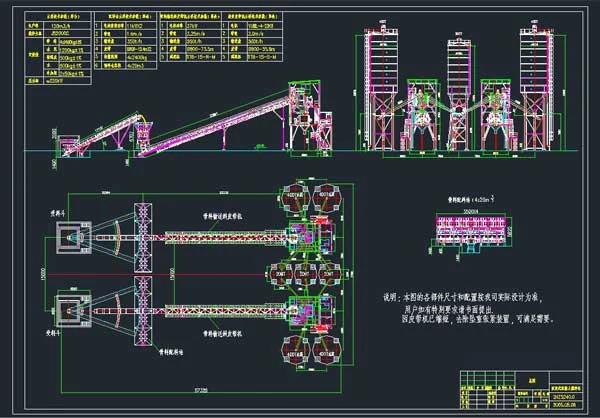
Procurement FAQ
Questions to Resolve Before You Compare Proposals
These answers frame the decision. Project-specific values must be confirmed in the technical proposal.
Start with the concrete destination and site horizon: commercial dispatch, permanent base, repeated relocation, plant-side central mixing or precast-cell supply.
No. The published range is theoretical. Recipe, feeding, cycle, discharge, logistics and operating conditions affect actual output.
Provide available dimensions, access, elevation constraints, utility conditions, material delivery routes, truck movement and known civil boundaries.
Mixer, bins, silos, transfer, controls, environmental scope and discharge arrangement can be discussed against verified project inputs.
It should state the equipment boundary, selectable options, project-engineered interfaces, logistics basis and installation or commissioning responsibilities.
Installation guidance, commissioning support, documentation and spare-parts scope should be agreed for the specific project rather than assumed.
Prepare a useful engineering response
Tell Us What the Plant Must Produce—and Where It Must Work
Share enough operating context for AGICO to recommend a plant family, capacity basis and quotation scope.