Complete Precast Concrete Production Solutions
Precast Concrete Batching and Mixing Plant
Configure batching, intensive mixing, precision dosing and concrete delivery around the precast products, mould cycle and workshop layout—not around a generic plant model.
✓
25–300m³/h
Original capacity range
✓
Three Mixer Families
Planetary, twin-shaft and pan
✓
Micro-Dosing Ready
Pigments, fibers and admixtures
✓
Cell Integration
Bucket, conveyor or direct feed
Precast Plant Types
Select the Precast Plant Architecture Around Product and Cycle Demand
Each configuration answers a different production constraint. Final sizing follows simultaneous cell demand, batch size, recipe, workshop interfaces and future line plans.

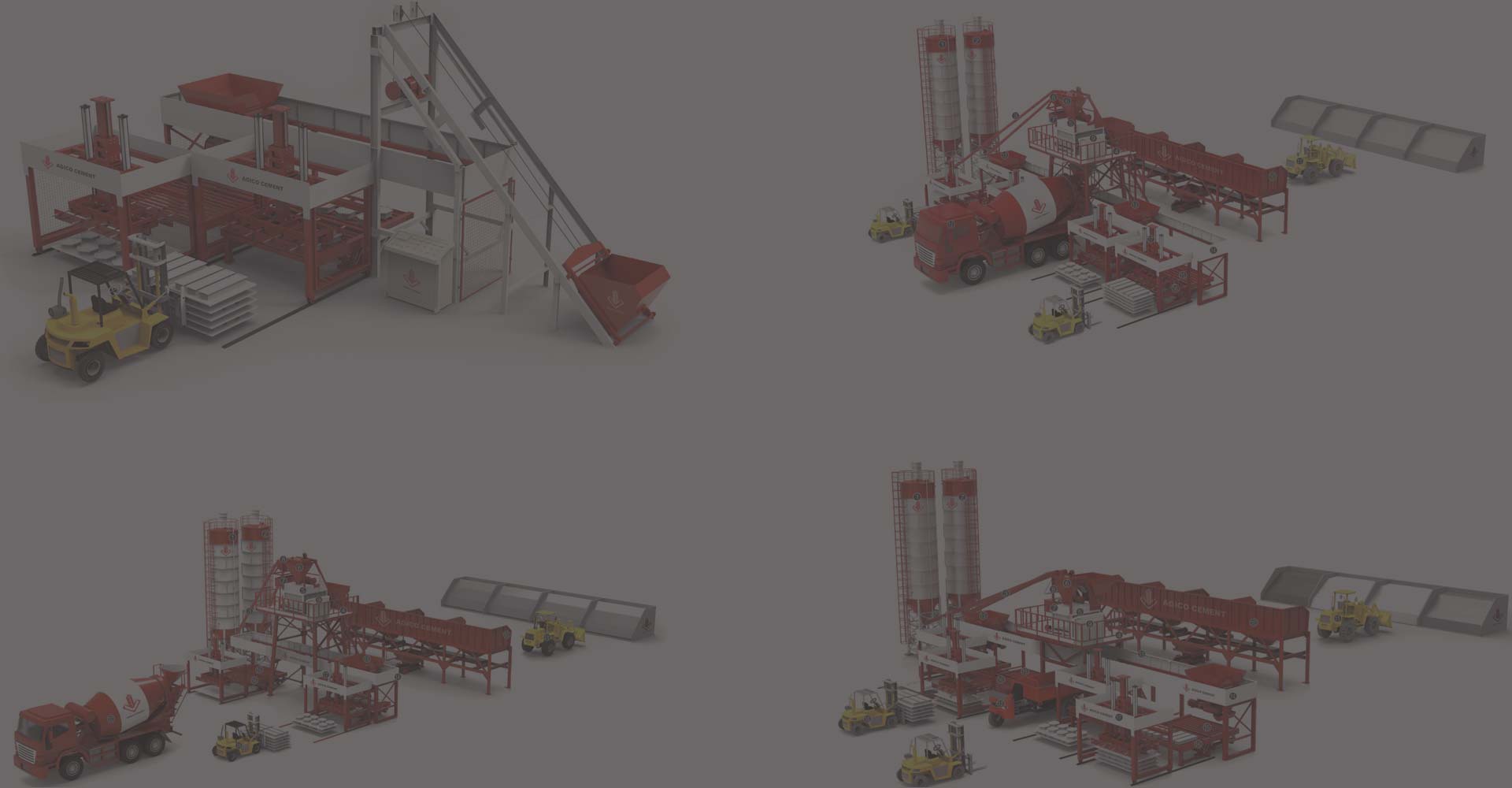
25m³/h Precast Plant
For blocks, kerbs and small component workshops; compact footprint and 500L mixer.
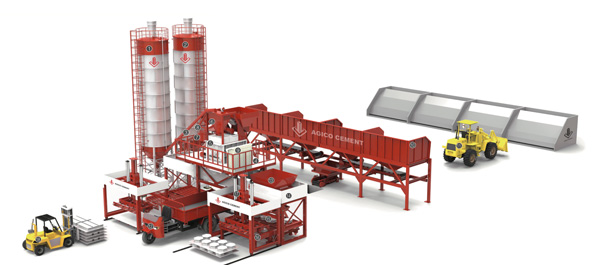
35m³/h Precast Plant
For growing factories needing more storage, 750L mixing and flexible product changeover.
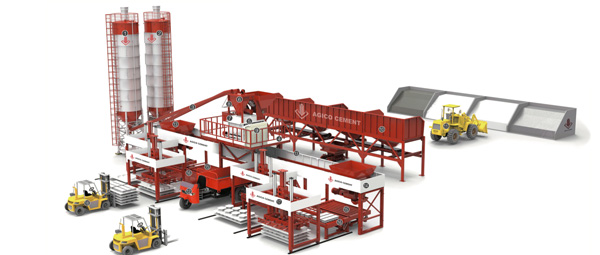
50m³/h Precast Plant
For continuous commercial precast production with 1000L mixing and faster cycles.
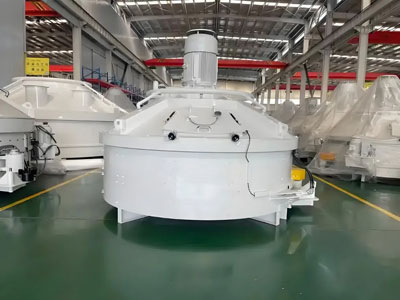
Large-Scale Precast Plant
For panels, beams, pipes and multi-cell demand with expanded storage and delivery routes.
Planetary Mixer Plant
Multi-directional mixing improves uniformity for low-slump, colored and detailed products.
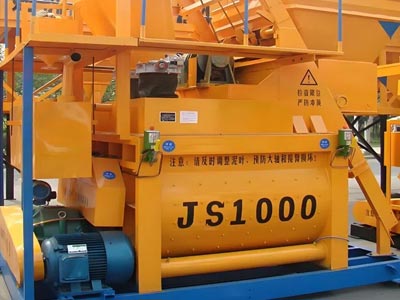
Twin-Shaft Mixer Plant
Rapid forced mixing and complete discharge support larger structural batches.

Customized Multi-Line Plant
Coordinates parallel cells, recipe separation, shared storage and planned expansion.
Product-to-Plant Selector
Match the Precast Product to Its Mixing, Dosing and Delivery Demands
Select a finished-product family to review the engineering focus before choosing the plant model.
Precast Product
Blocks & Pavers
Short repeat cycles, low-slump consistency and optional pigment dosing.
Recommended Configuration
Mixer, Dosing and Delivery Focus
Planetary or pan mixing with precise water, pigment and admixture control.
Precast Product
Pipes & Utility Products
Stable low-slump concrete and predictable delivery to forming equipment.
Recommended Configuration
Mixer, Dosing and Delivery Focus
High-intensity mixing, controlled moisture and a matched bucket or conveyor interface.
Precast Product
Panels & Walls
Repeatable workability and coordinated casting supply across large moulds.
Recommended Configuration
Mixer, Dosing and Delivery Focus
Twin-shaft or planetary mixing with batch traceability and controlled discharge.
Precast Product
Beams & Columns
Structural recipes need reliable strength consistency and production timing.
Recommended Configuration
Mixer, Dosing and Delivery Focus
Twin-shaft forced mixing, aggregate moisture correction and fast complete discharge.
Precast Product
UHPC / Specialty
Complex powders, fibers and admixtures require validated sequence control.
Recommended Configuration
Mixer, Dosing and Delivery Focus
Dedicated micro-dosing, high-energy mixer review and trial-based mixing logic.
Original Capacity Specifications
Precast Concrete Plant Capacity and Model Selection
The following values are restored from the original page. They are engineering starting points; product recipes, simultaneous cell demand and transfer method determine the final configuration.
25m³/h Precast Plant
Mixer 500L · Output ≥25m³/h · Cycle 72s · Discharge 1.5m
35m³/h Precast Plant
Mixer 750L · Output ≥35m³/h · Cycle 72s · Discharge 3.8m
50m³/h Precast Plant
Mixer 1000L · Output ≥50m³/h · Cycle 60s · Discharge 3.8m
60–300m³/h Reference Configurations
Core Equipment
Precast Plant Components and Their Production Advantages
Each component is selected for a specific production risk; the advantages below are not interchangeable generic claims.
Planetary Mixer
Multi-directional mixing distributes cement paste, color and fine materials across low-slump batches.
Twin-Shaft Mixer
Rapid forced mixing and fast discharge support structural products and larger batch demand.
Aggregate Batching
Separate bins and controlled feeders prevent cross-contamination and protect grading consistency.
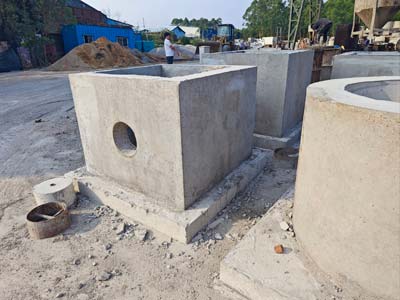
Powder & Liquid Dosing
Independent scales protect small-dose accuracy and keep water and admixture sequence repeatable.
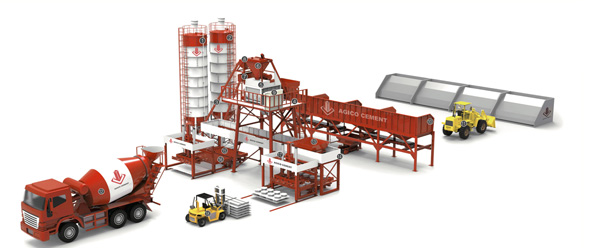
Moisture Compensation
Sensor input and recipe correction help correct free-water demand before mixing.

PLC & Traceability
Recipe permissions and reports record target and actual batch values for production review.
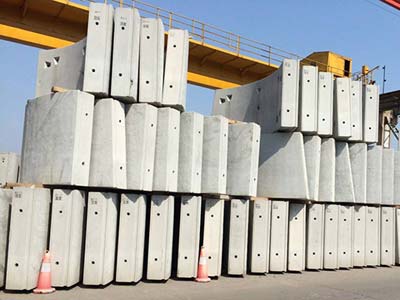
Cleaning & Changeover
Accessible mixer and dosing routes reduce recipe changeover time and residue between colors.
Concrete Delivery
Skip, bucket, conveyor or direct discharge can match concrete delivery to the forming cell.
Material-to-Product Flow
Precast Concrete Production Process
1
Material Storage
Keep aggregates, powders, pigments and liquids separated and identifiable.
2
Precision Batching
Weigh major and minor ingredients inside approved tolerances.
3
Precast Mixing
Apply the required charging sequence, mixing intensity and time.
4
Concrete Transfer
Deliver the batch without delaying the moulding or casting cell.
5
Forming & Compaction
Coordinate receiving, distribution and vibration with product demand.
6
Curing & Finished Product
Use batch records to support repeatable production review.
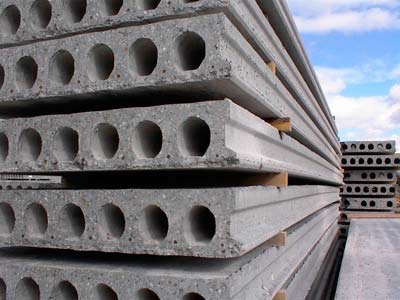
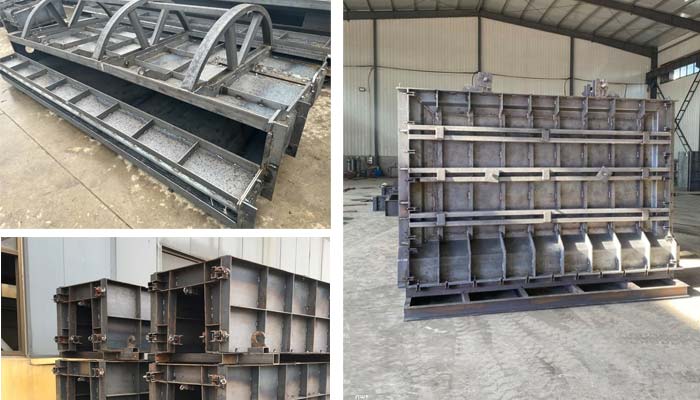
Related Production Supply
Precast Moulds and Spare Parts
AGICO can coordinate batching equipment with verified mould, wear-part and maintenance requirements. Mixer liners, blades, seals, sensors and dosing components should be planned around actual production hours and changeover frequency.
✓
Precast Moulds
Match geometry and production method.
✓
Mixer Wear Parts
Plan liners, blades and seals.
✓
Dosing Components
Keep valves and sensors serviceable.
✓
Cleaning Parts
Support faster product changeover.
Project and Factory Proof
Precast Plant Project Evidence

Configured Precast Production Base
Installed batching, mixing and material-storage equipment coordinated for precast production.
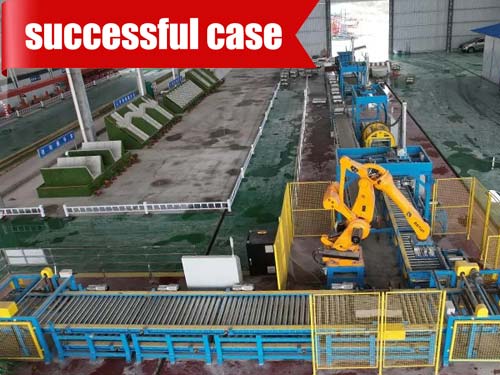
Concrete Supply to the Forming Area
A project reference showing material storage, mixing and the production interface.
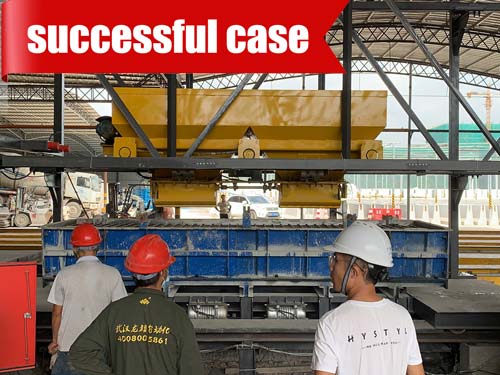
Site Installation Evidence
Equipment modules assembled around the project layout and local civil interfaces.
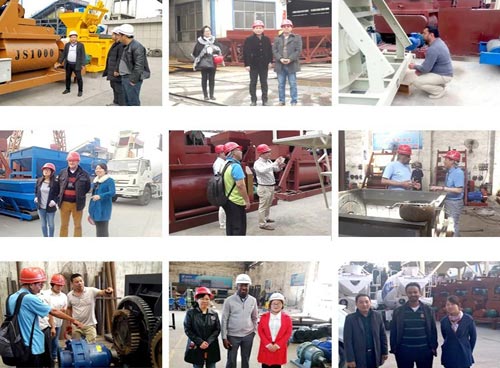
Factory Review
Buyers can review equipment preparation, interfaces and service access before shipment.
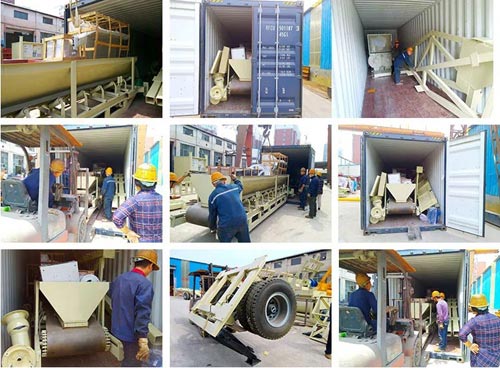
Packing and Delivery
Modules are identified and sequenced for transport and coordinated site assembly.
Finished-Product Evidence
The equipment decision is connected to the product, recipe and moulding cycle.
AGICO Complete Precast Supply
One Engineering Scope From Raw Materials to the Production Cell
1
Product & Recipe Review
Translate product, materials and cycle targets into batching requirements.
2
Layout Engineering
Coordinate storage, mixer, transfer, workshop height and maintenance routes.
3
Factory Preparation
Manufacture and prepare identifiable structural and mechanical modules.
4
Controls Integration
Connect demand signals, recipes, permissions, alarms and batch records.
5
Commissioning Support
Calibrate scales, verify sequences and support loaded production trials.
6
Lifecycle Supply
Plan wear parts, maintenance access, training and later production expansion.
Buyer FAQ
Precast Batching Plant Questions Before Engineering
The product, recipe, batch size, cycle, fibers, pigments and discharge method determine the mixer. Planetary mixing is often selected for uniform low-slump or colored products, while twin-shaft mixing suits larger structural batches.
Yes. Material form, dose, tolerance, sequence and cleaning requirements must be confirmed before selecting the micro-dosing system.
Moisture sensing, recipe correction and calibrated water dosing can be coordinated according to aggregate condition and product requirements.
Yes when peak simultaneous demand, transfer routes, buffer strategy and control signals are engineered together.
No. They are original reference configurations. Final sizing follows the actual recipe, batch size, cycle, product schedule and site conditions.
Provide product types, recipes, hourly and daily demand, batch size, cycle, workshop layout, storage, transfer method, utilities and expansion plan.
Build the Precast Plant Around Your Products
Share product types, recipes, cycle targets, workshop layout and concrete transfer method.