Truck-Mounted Concrete Batching Plant for Rapid Deployment
Combine transport, batching and mixing functions on a truck-oriented platform for remote, dispersed or fast-changing work fronts.
Vehicle Integration
Engineer the Plant and Carrier as One Working Unit
Payload, axle distribution, center of gravity, road clearance, stabilizers and discharge access matter as much as mixer output. This page helps buyers define the truck interface before equipment selection.
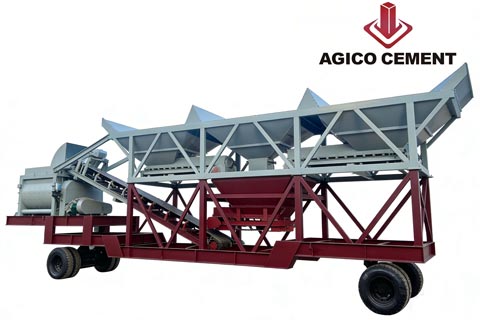
Duty Selector
Select a Truck-Mounted System by Operating Duty
Choose by work-front movement, required batch volume and discharge method.
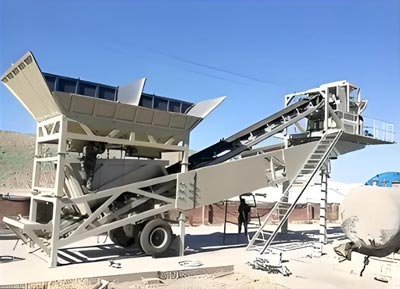
Light Project Duty
For dispersed repairs and smaller pours where access and frequent movement dominate.
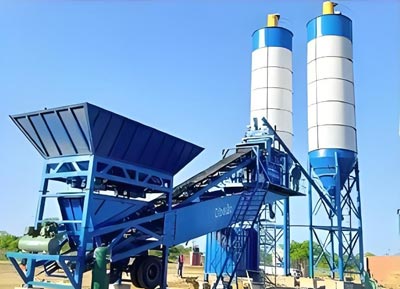
Balanced Infrastructure Duty
A middle range for road, utility and remote project supply with stronger output requirements.

High-Output Mobile Duty
Requires detailed carrier, stabilization, material-feed and operating-clearance review.
Product Engineering
Truck-Mounted Systems With Different Engineering Jobs
Each component must satisfy both vehicle transport and concrete production requirements.
Carrier Interface
Mounting points and load distribution connect the production system to the selected chassis.
Stabilizing Supports
Working loads are transferred safely to the prepared operating surface.
Aggregate Feed
Bin and conveyor geometry balance usable storage with vehicle envelope.
Mixer Module
Mixer type and capacity follow placement duty and available carrier payload.
Control System
Vehicle and batching functions are coordinated for safe setup and operation.
Discharge Arrangement
Height, reach and work-zone clearance match downstream placement equipment.
Verified Model Data
AGTM Truck-Mounted Plant Specifications
Use these published parameters for initial comparison. Final sizing and supply scope are confirmed against materials, recipes, site conditions, utilities and operating schedule.
Application Fit
Where Truck-Mounted Production Fits
Emergency and Repair Work
Reach dispersed sites with a self-contained production platform.
Linear Infrastructure
Advance with road, rail or utility construction fronts.
Remote Construction
Reduce reliance on a permanent batching base and long concrete hauls.
Engineering Checklist
Validate the Truck Interface Before Fabrication
Carrier Data
Confirm chassis, wheelbase, axle limits and available power.
Stability
Review stabilizers, center of gravity and operating surface.
Material Feed
Define aggregate, cement, water and admixture replenishment.
Discharge Access
Check placement equipment, clearance and work-zone safety.
Proposal Scope
Truck-Mounted Proposal Inputs
A useful quotation separates the standard machine, project-specific engineering, site responsibilities and optional lifecycle services. These inputs affect scope and schedule; no generic price can represent every project.
Carrier Selection
Chassis data defines the integration boundary.
Road Compliance
Local axle and dimension limits affect configuration.
Material Refill
Replenishment method controls practical utilization.
Operating Surface
Stabilization and clearance change the site package.
AGICO Supply Capability
One Supplier for Plant, Controls and Vehicle Interfaces
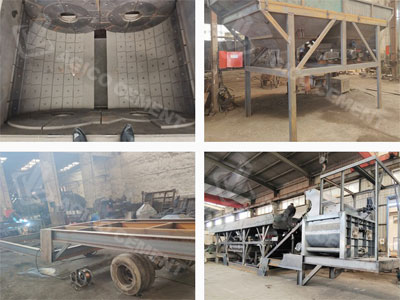
Engineering, Manufacturing and Lifecycle Support
AGICO treats the truck-mounted solution as an integrated machine rather than a batching plant placed on an unspecified carrier.
Interface Definition
Mechanical and control boundaries are clarified early.
Factory Assembly
Major subsystems are coordinated before dispatch.
Operating Review
Access, stabilization and discharge are checked.
Delivery Support
Packing, commissioning and training scope is defined.
Buyer FAQ
Truck-Mounted Plant Buyer Questions
Supply scope must be confirmed for each proposal because carrier requirements and local registration differ.
Use actual placement demand, replenishment logistics, carrier limits and working-cycle assumptions together.
Planetary, twin-shaft, volumetric and self-loading concepts serve different duties; final compatibility requires engineering review.
Provide local road limits, preferred carrier, site access, concrete demand and material supply method.
Confirm the Carrier and Production Duty Together
Share chassis data, road restrictions and pour requirements so the plant can be engineered as one vehicle-integrated system.