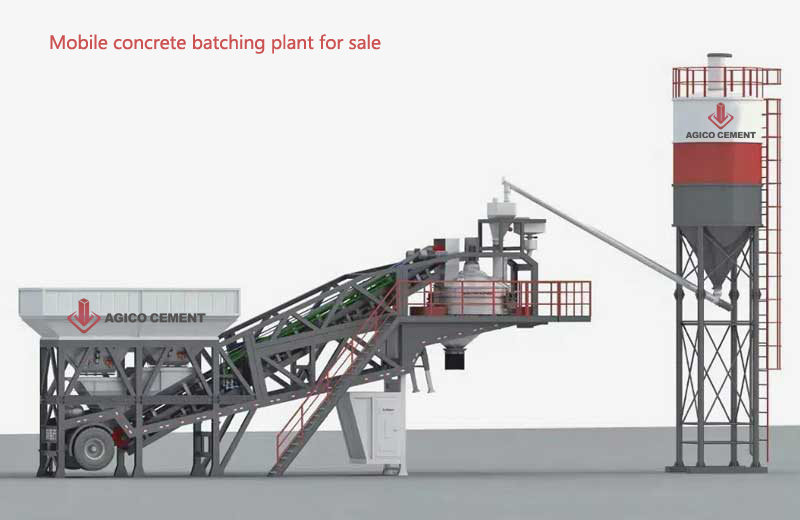
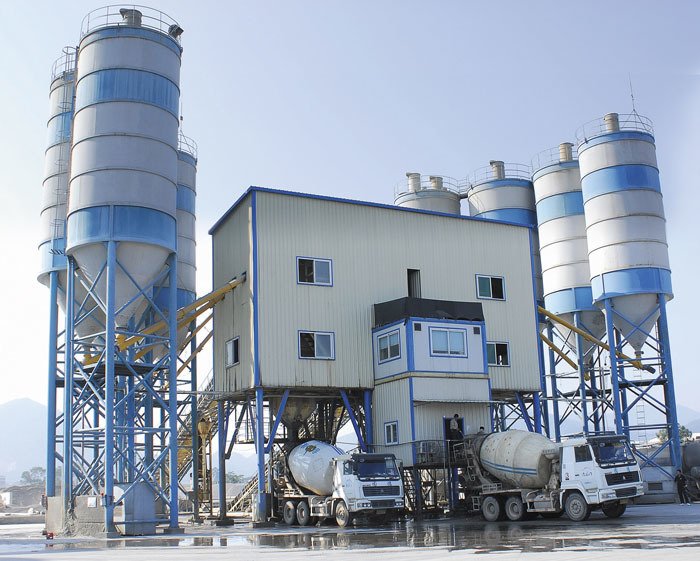
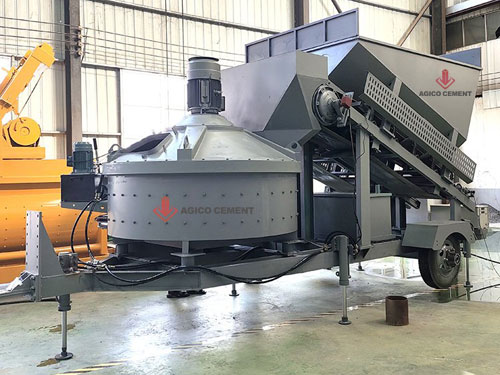
Concrete Mixer Plant for Sale
AGICO Cement provides several advices and instructions for our customers to ensure continuous and efficient production of their concrete mixer plant for sale.
1. Preliminary Preparation (Meteorology, Technical Disclosure, Materials & Personnel)
| Category | Specific Requirements |
| Meteorological Coordination | 1. Contact the local meteorological department to collect historical meteorological data. 2. Keep track of real-time meteorological changes. |
| Technical Disclosure | 1. Conduct technical disclosure for the concrete mixer plant for sale before winter, following the principles: ensuring quality, controlling costs, stabilizing materials, reducing energy consumption, and shortening the construction period. 2. Organize personnel to study the disclosure content. |
| Personnel Training | 1. Provide technical and operational training for personnel responsible for admixture addition, thermal insulation, and heating material management. 2. Clarify job responsibilities, and only allow on-duty after passing the assessment. |
| Materials & Equipment | 1. Reserve raw materials (cement, aggregates, steel, admixtures, etc.) and cold-proof insulation materials in advance. 2. Overhaul metering systems, machinery, and pipelines, replace aging parts, and prepare spare parts. 3. Seasonal maintenance of machinery: replace lubricating oil, ensure antifreeze meets local antifreeze requirements, and drain cooling water for equipment not using antifreeze after shutdown. |
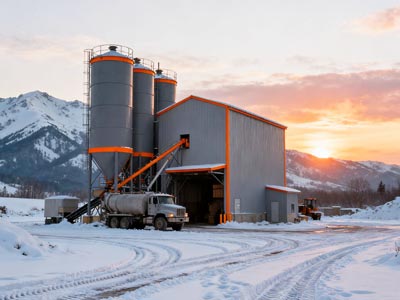
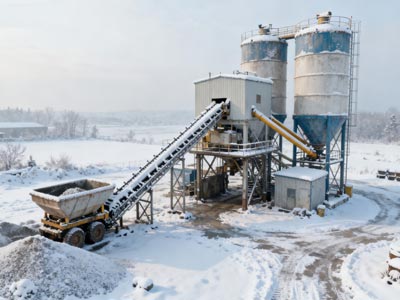
2. Core Measures (Cold Protection, Heating & Thermal Insulation)
1. Cold Protection and Thermal Insulation for Concrete Mixer Plant & Aggregate Yard
| Area | Insulation Measures | Temperature Requirement |
| Aggregate Yard | 1. Set up a warm shed, with cotton curtains + shed cloth sealed on the roof and surrounding walls. 2. Arrange special personnel to open/close the door curtains at the machinery entrance. 3. Fully enclosed outer aggregate yard to block snow and rain. | Warm shed interior ≥ 10℃ (heated by high-power warm air blowers) |
| Batching Tower / Silo | 1. Adopt warm shed method + electric warm air heating. 2. Install insulation walls + shed cloth sealing on the silo roof and surrounding walls. 3. Use electric roller shutters at entrances/exits (operated by special personnel). 4. Seal batching machines and belt conveyors with color steel insulation panels, and install heating radiators inside. | Warm shed interior ≥ 5℃ (add electric heaters when temperature is below 5℃) |
| Mixing Main Machine | 1. Fully seal the surrounding area of the mixing tower. 2. Install heating radiators inside. 3. Preheat the machine body before starting mixing. | – |
2. Heating Equipment & Systems
| Equipment Type | Installation Location / Purpose | Operational Requirements |
| Heating Equipment | 1. Warm air blowers: Used for heating inside warm sheds (combination of air heaters + fans). 2. Hot air stoves: Used for heating aggregates (started 4 hours before mixing). 3. Boilers: Used for heating mixing water. 4. Heating radiators: Used for aggregate heating, and insulation of belt conveyors and mixing towers. | 1. Hot air stoves ensure warm shed interior ≥ 5℃ 2. Boilers provide hot water with stable temperature |
| Hot Water Storage | 1. Hot water storage tanks are installed in the boiler room. 2. First heat the water, then mix with cold water to adjust temperature. 3. Special personnel record temperature measurement data. | Ensure stable temperature of mixing water entering the silo |
3. Raw Material & Concrete Control (Requirements, Heating, Production & Transportation)
1. Raw Material Requirements & Heating
| Category | Requirements | Heating Principles & Parameters |
| Aggregates | 1. No snow, ice, frozen lumps, or freeze-susceptible minerals. 2. Store in warm sheds, and fully enclosed outer yards to block snow and rain. | 1. Prioritize heating water; heat aggregates only when water heating is insufficient 2. Aggregate heating ≤ 60℃ (using radiators + hot air boilers) 3. Thaw frozen aggregates to above 5℃ |
| Cement / Admixtures | 1. Bulk cement as the main supply, bagged cement as backup (to cope with road icing). 2. Store in warehouses to prevent moisture. 3. Use early-strength, low-alkali admixtures. | Only keep warm, no heating |
| Mixing Water | – | 1. Heating ≤ 80℃ 2. When temperature adjustment is needed, first heat water then mix with cold water |
2. Concrete Production, Transportation & Pouring
| Stage | Key Requirements | Temperature / Parameter Standards |
| Production & Mixing | 1.Water-cement ratio ≤ 0.5 (≤ 0.6 during pouring), slump 14-16cm (160-180mm for on-site pouring). 2. Mixing sequence: first add aggregates + hot water, mix evenly, then add cement. 3. Mixing time: 1.5 times of normal temperature (for admixture-containing concrete) or 50% extension. | 1. Discharge temperature > 10℃ 2. Placing temperature > 5℃ 3. Working surface ambient temperature > 5℃ |
| Transportation | 1. Wrap the mixer truck with quilts. 2. Shorten transportation time and storage time in the truck. 3. Notify the concrete mixer plant to start mixing when 1/3 of concrete remains in the truck at the pouring site, and directly load new concrete when the truck returns to the plant. | Reduce heat loss, ensure meeting placing temperature requirements |
| Pouring | 1. Minimum cement dosage ≥ 280kg/m³. 2. Deduct moisture brought by aggregates and admixture solutions. 3. Strictly control the maximum replacement rate of fly ash. 4. Adjust admixture dosage through tests at -15℃. | Immediately cover with insulation materials (straw mats, plastic sheets, etc.) after pouring to prevent freezing |
4. Construction Precautions (Temperature Monitoring, Emergency & Safety)
1. Temperature Monitoring Points
- Raw Materials: Real-time monitoring of aggregate temperature (≤ 60℃), water temperature (≤ 80℃), and warm shed temperature (≥ 5℃)
- Concrete: Record discharge temperature (> 10℃), placing temperature (> 5℃), and working surface temperature (> 5℃) for each batch
- Abnormal Handling: When concrete slump decreases or rapid setting occurs, readjust the heating temperature of the mixture
2. Emergency & Safety Measures
| Category | Specific Requirements |
| Emergency Plan | 1. Continuously monitor weather forecasts and formulate adjustment plans for sudden temperature drops and blizzards. 2. Prepare backup heating systems and additional insulation materials. |
| Site Management | 1. Timely snow and ice removal to ensure smooth access to the construction site. 2. Properly manage drainage to avoid water accumulation and freezing. |
| Personnel Safety | 1. Provide workers with qualified winter clothing and protective equipment. 2. Conduct regular winter construction safety training. |
| Equipment Maintenance | 1. Regularly inspect the operation status of heating equipment and machinery. 2. Clean residual concrete in equipment daily to prevent freezing and blockage. |