Looking for the right batching plant hopper for your project?
Whether you’re comparing hopper vs belt conveyor systems or trying to calculate the correct hopper capacity, choosing the wrong configuration can reduce your plant efficiency by over 30% and increase long-term maintenance costs.
In this complete guide, AGICO will walk you through everything you need to know—from hopper types and working principles to technical specifications, real project cases, and expert selection tips.

What Is a Batching Plant Hopper?
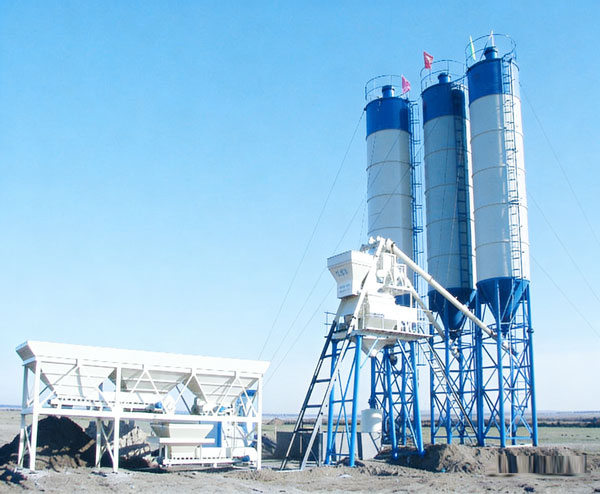
A batching plant hopper is a lifting device used to transport aggregates such as sand, gravel, and crushed stone from ground level into the concrete mixer.
It typically operates using a skip hoist system, which moves along a rail track and is driven by an electric winch or hydraulic system.
Due to its compact structure and lower cost, the hopper system is widely used in small to medium concrete batching plants.
Types of Batching Plant Hopper
Choosing the right hopper type is essential for optimizing plant performance.
1. Skip Hopper (Most Common)
- Rail-guided lifting system
- Driven by electric winch
- Suitable for 25–75 m³/h batching plants
- Low investment cost
👉 Ideal for projects with limited space and budget
2. Weighing Hopper
- Equipped with load cells
- Ensures precise aggregate batching
- Integrated with automatic control systems
👉 Ideal for high-precision concrete production
3. Underground Hopper
- Installed below ground level
- Direct feeding from trucks
- Higher efficiency and reduced loading time
👉 Ideal for large-scale batching plants
Hopper vs Belt Conveyor: Which Feeding System Is Better?
Choosing between hopper and belt conveyor is one of the most important decisions when designing a batching plant.
| Feature | Hopper System | Belt Conveyor |
|---|---|---|
| Cost | Low | High |
| Installation | Simple | Complex |
| Space Requirement | Compact | Large |
| Capacity | Small–Medium | Medium–Large |
| Maintenance | Easy | Moderate |
| Efficiency | Moderate | High |
Conclusion:
- Choose hopper system for plants under 75 m³/h
- Choose belt conveyor for high-capacity continuous production
Hopper Lifting Mechanism Explained
The lifting system determines the performance and safety of the hopper.
Common Mechanisms:
- Electric winch system – most widely used, stable and cost-effective
- Hydraulic lifting system – smoother operation, higher cost
- Dual rope system – enhanced safety and stability
👉 A high-quality lifting system significantly reduces downtime and improves operational safety.
Technical Specifications of Batching Plant Hopper
| Parameter | Typical Range |
|---|---|
| Capacity | 800L – 3000L |
| Lifting Speed | 18–25 m/min |
| Motor Power | 5.5 – 15 kW |
| Track Angle | 45°–60° |
| Control Mode | Manual / Automatic |
👉 Specifications can be customized based on project requirements.
Hopper Capacity Calculation (Engineering Guide)
Selecting the correct hopper capacity is critical for maintaining production efficiency.
Example:
- Plant capacity: 60 m³/h
- Batch size: 1 m³
- Cycle time: 60 seconds
👉 Recommended hopper capacity: 1200L – 1600L
Engineering Rule:
Based on real project experience:
- Hopper capacity = 1.2 – 1.5 × batch volume
Avoid:
- Undersized hopper → reduced efficiency
- Oversized hopper → unnecessary cost increase
Working Principle of Batching Plant Hopper
The hopper system operates in a continuous cycle:
- Aggregate loading
- Hopper lifting along rails
- Material discharge into mixer
- Hopper return to loading position
Modern batching plants use automated control systems to ensure smooth and efficient operation.
Hopper Design Optimization Tips
A well-designed hopper improves durability and reduces maintenance costs.
Key Design Features:
- Anti-spillage structure
- Wear-resistant lining
- Reinforced steel frame
- Smooth discharge angle design
👉 Optimized design can extend service life by over 30%.
Common Problems & Solutions
| Problem | Cause | Solution |
|---|---|---|
| Hopper stuck | Rail misalignment | Adjust rails and lubricate |
| Wire rope wear | Overloading | Replace with high-strength cable |
| Inaccurate weighing | Sensor fault | Recalibrate load cells |
| Abnormal noise | Loose components | Inspect and tighten |
How to Choose the Right Hopper System
Before selecting a hopper, consider:
1. Production Capacity
- Small plant → hopper system
- Large plant → belt system
2. Site Space
- Limited space → hopper is ideal
3. Budget
- Hopper systems are 20–30% cheaper
4. Automation Level
- Automatic plants require weighing hopper
Hopper Price Guide (2026)
- Small hopper: $1,000 – $5,000
- Medium hopper: $5,000 – $15,000
- Custom system: depends on configuration
👉 Always evaluate total system cost, not just initial price.
Real Project Cases from AGICO CEMENT
Southeast Asia – 60 m³/h Plant
- Type: Skip hopper
- Challenge: Limited site space
- Result: Reduced installation area by 40%
Africa – Rural Construction Project
- Type: Compact hopper system
- Advantage: Easy maintenance, low cost
- Result: Stable operation under harsh conditions

Related Equipment in a Batching Plant
To understand the full system, you may also explore:
FAQ
What is hopper capacity in a batching plant?
It is the volume of material the hopper can carry per cycle, usually measured in liters or cubic meters.
Is hopper better than belt conveyor?
It depends on your project. Hopper is more economical and compact, while belt systems are better for large-scale production.
What is a skip hopper system?
A skip hopper uses a rail and winch mechanism to lift aggregates into the mixer.
Get Your Custom Hopper Solution
Tell us your:
- Required capacity
- Site layout
- Budget range
Our engineers will provide:
✔ Free layout design
✔ Equipment configuration
✔ Detailed quotation within 24 hours
👉 Contact us now to get a professional batching plant hopper solution tailored to your project.